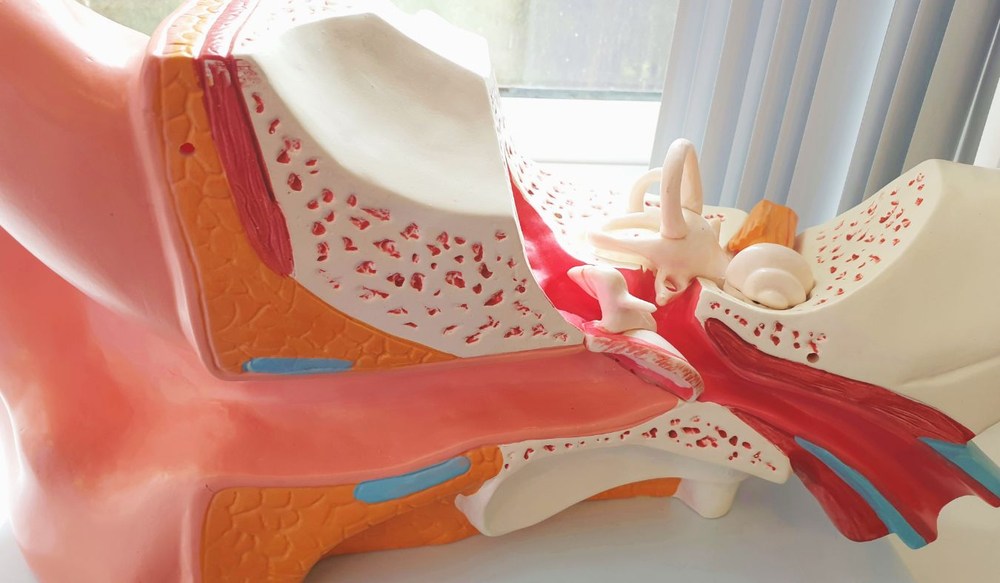
Managing tinnitus through sound therapy techniques focuses on how using gentle, controlled sounds can help reduce the awareness and frustration that often come with constant ringing or buzzing in the ears.

For many people, tinnitus becomes most noticeable during quiet moments, like trying to fall asleep or concentrate at work, which can make daily life feel more stressful than it needs to be. Sound therapy works by adding background sound that helps shift attention away from tinnitus, making it feel less noticeable over time.

Understanding how these techniques fit into everyday routines can help provide relief from symptoms.

What is Tinnitus and How It Can Affect Your Day?

Tinnitus is the experience of hearing sounds like ringing, buzzing or hissing when there is no external source. These sounds can vary in volume and may be constant or come and go throughout the day. For some, tinnitus is a mild distraction, while for others, it can make everyday tasks more difficult.

Tinnitus can interrupt your sleep, making it hard to fall or stay asleep. It may also affect your ability to concentrate at work or school and can lead to feelings of frustration or stress.

How Sound Therapy Supports Tinnitus Management

Sound therapy uses gentle background sounds to help make tinnitus less noticeable.

These sounds may include white noise, soft music or nature noises like rain or ocean waves. Many people find that steady background sounds help shift their attention away from the ringing or buzzing.

Sound therapy can:

  • Make tinnitus seem quieter compared to other sounds in your environment.
  • Help your brain focus on calming noises instead of tinnitus.
  • Create a more relaxing atmosphere, which can lower stress and support better sleep.

Popular Sound Therapy Methods for Tinnitus Relief

There are several sound therapy methods that can help manage tinnitus. Each method works a bit differently, but all aim to reduce how much you notice the ringing or buzzing during daily life.

Common sound therapy options include:

  • White noise machines that play steady background sounds.
  • Smartphone apps with calming music or nature sounds.
  • Hearing aids with built-in sound generators for those with hearing loss.

Combining Sound Therapy with Relaxation Techniques

Pairing sound therapy with relaxation techniques can make managing tinnitus more effective.

Practices like deep breathing, meditation or gentle stretching work well alongside calming background sounds. These activities help reduce stress, which may make tinnitus less noticeable.

You might play soft music or nature sounds while practicing relaxation exercises at home. Guided meditation recordings with soothing background noise can be especially helpful before bed or during stressful moments.

This combined approach supports both physical comfort and emotional well-being.

Using White Noise and Nature Sounds

White noise and nature sounds are two common tools for treating tinnitus.

White noise is a steady, gentle sound that helps cover up other noises, making tinnitus less noticeable. Nature sounds like rainfall or ocean waves provide a soothing background that helps your mind relax.

These sounds can be helpful when trying to fall asleep or during quiet moments when tinnitus feels more noticeable. Many people use sound machines or smartphone apps to play these calming noises at home or work. You can easily adjust these options based on your comfort and needs.

Using white noise or nature sounds regularly can help you feel more at ease in different situations.

They can make it easier to focus, relax and improve your mood by shifting your attention away from unwanted sounds. This simple approach may become a useful part of your daily routine for managing tinnitus.

Choosing Sound Therapy Options That Match Your Needs

Finding sound therapy options that fit your needs can make a difference in how you manage tinnitus each day. The best choice depends on your routine, where you spend most of your time and which sounds help you feel calm.

Some people prefer portable sound machines or smartphone apps for flexibility at home and work. Others may benefit from hearing aids with built-in sound generators if they also have hearing loss.

Think about when and where tinnitus bothers you most before choosing a sound therapy option. Trying different tools and settings can help you find what works best for your lifestyle and comfort.

Simple Ways to Add Sound Therapy into Your Daily Routine

Adding sound therapy to your daily routine is simple and does not require extra effort. You might play soft background sounds while getting ready in the morning or use a sound app during quiet moments at work.

Many people find it helpful to set up a white noise machine or nature sounds before bed to make falling asleep easier. These small changes can help you feel more comfortable throughout the day and night. Even a few minutes of calming sound can make a difference in how you manage tinnitus.

Knowing When to Ask an Audiologist About Managing Tinnitus

If tinnitus starts to affect your sleep, mood or ability to focus at work or school, it may be time to reach out to an audiologist. When the sounds you hear begin to interfere with your daily activities or cause stress, seeking support is important.

An audiologist can talk with you about your experiences and suggest ways to manage tinnitus that fit your needs. Many people share these feelings of frustration or fatigue from ongoing sounds. Getting support early can help you find relief and improve your quality of life.

Taking Steps Toward Better Tinnitus Management with Sound Therapy

Managing tinnitus may feel difficult at times, but sound therapy techniques offer practical ways to make daily life more comfortable. Adding gentle background sounds or using sound machines and apps, you may find it easier to relax, sleep and focus throughout the day. These tools are simple to use and can be adjusted to fit your needs at home, work or on the go.

If tinnitus is making it difficult for you to enjoy your usual activities or rest well at night, schedule an appointment with an audiologist. They help you explore different sound therapy options and find an approach that fits your lifestyle.